
Environmental Health & Climate Change
Survey and Assessment of Personal Hygiene and Environmental Sanitation in Rural Vietnam, 2023
Assessing personal hygiene and environmental sanitation conditions in rural areas across 6 provinces representing 6 ecological regions, funded by the Ministry of Health and Unilever.
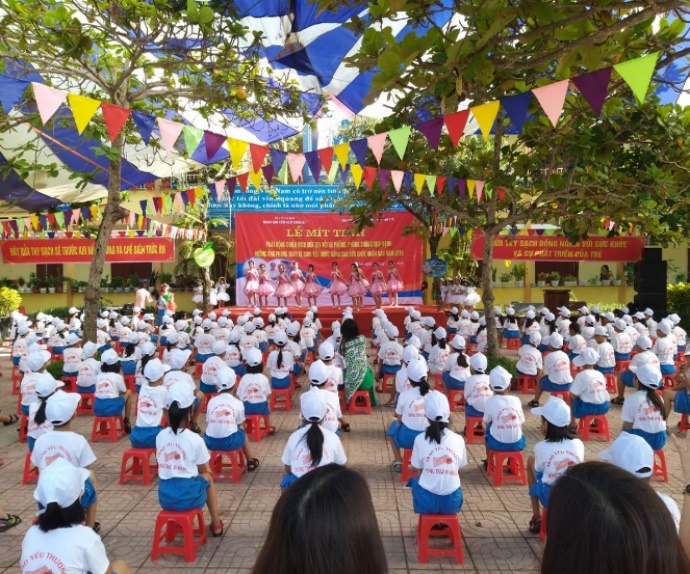
Project Overview
- Field: Personal hygiene, environmental sanitation, clean water and community health
- Duration: 01/2024 – 03/2024
- Funder: Health Environment Management Agency, Ministry of Health, and Unilever
- Evaluating agency: Center for Environmental and Health Studies (CEHS)
- Location: Nationwide, combining a review of data from 63 provinces/cities with field surveys in 6 provinces representing 6 ecological regions: Tuyên Quang, Thái Bình, Hà Tĩnh, Đắk Lắk, Đồng Nai and Trà Vinh
Introduction
Personal hygiene, environmental sanitation, use of hygienic latrines, clean water and handwashing with soap play an important role in disease prevention, health protection and improving quality of life. However, sanitation conditions, personal hygiene behaviors, and access to clean water and sanitation services still vary between regions in many rural areas.
The project assessed personal hygiene and environmental sanitation conditions in rural Vietnam in 2023, reviewed implementation of related policies, and examined the results of a behavior-change communication collaboration in the sanitation sector.
CEHS's Role
CEHS directly conducted the survey and assessment as commissioned by the Health Environment Management Agency and Unilever. The Center was responsible for developing the inception report, finalizing the research methodology, designing the data collection toolkit, organizing training, conducting field surveys, processing and analyzing data, and developing the results reports.
CEHS coordinated with central and local agencies to gather information from multiple levels, including provincial CDCs, district health centers, commune health stations, schools and households.
Key Activities
- Developing the inception report, detailed implementation plan and evaluation toolkit.
- Reviewing literature, secondary data and policies related to personal hygiene, environmental sanitation, clean water and hygienic latrines.
- Conducting a cross-sectional survey combining quantitative and qualitative methods in 6 provinces; interviewing 1,944 households; observing and checking sanitation conditions at households, commune health stations and schools.
- Conducting in-depth interviews and focus group discussions with managers, health and education sector staff, local authorities and residents.
- Analyzing results, developing the status assessment report, reviewing policy, and proposing intervention solutions for the next phase.
Key Results
- Completed a broad-scope assessment of personal hygiene and rural environmental sanitation, combining nationwide data with field surveys in 6 provinces representing 6 ecological regions.
- Built a relatively comprehensive dataset on clean water access, hygienic latrines, handwashing stations, and sanitation conditions at households, commune health stations and schools.
- Provided evidence of differences between regions, facility types and population groups in access to clean water, environmental sanitation, and personal hygiene practices.
- Identified gaps in handwashing with soap, use of hygienic latrines, behavior-change communication, and maintenance of sanitation facilities in communities, schools and health facilities.
- Proposed solutions to strengthen behavior-change communication, improve sanitation conditions, improve policy implementation effectiveness, and guide future collaboration.